Modern business phone services have revolutionized how companies communicate, moving beyond traditional landlines to embrace internet-based VoIP systems packed with advanced features like auto-attendants, call routing, and mobile integration. This transformation not only projects a polished, professional image but also enhances responsiveness and scalability, supporting remote work and rapid growth. But as technology advances, so do the challenges of ensuring security, compliance, and seamless integration with existing infrastructure. How will these evolving tools shape the future of workplace connectivity? Innovations like AI-driven call analytics, personalized caller experiences, and embedded video conferencing promise a more intelligent, efficient, and secure communication landscape. As businesses navigate this digital shift, they must balance the promise of increased agility with the imperative of safeguarding sensitive data. Embracing these changes could redefine professional interaction—raising the question: will the future of business communication be smarter, faster, and more personalized than ever before?
Chapter Overview
Enhance Your Business Communications with FiberConX’s VoIP & IP Phone Solutions in Canada
Looking to upgrade your business communications? FiberConX Communications offers reliable business phone services tailored for Canadian companies. Specializing in VoIP and IP-based phone systems, FiberConX provides features like voicemail, IVR, ring groups, and voicemail-to-mail, ensuring seamless and professional customer interactions. Whether you need scalable solutions for a growing business or advanced call management, FiberConX has you covered. Reach out today at [email protected] or call 1.416.945.9210 to discover how their innovative business phone services can transform your communication infrastructure.
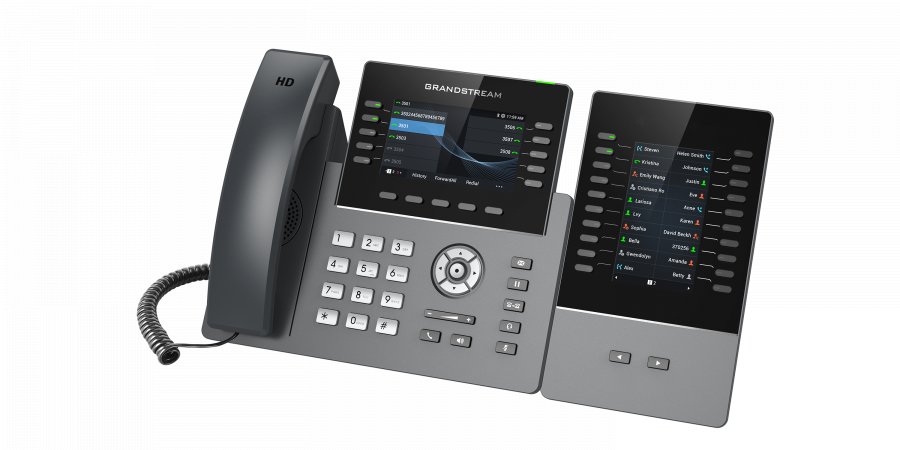
Revolutionizing Business Communication: The Rise of Modern Phone Services
Modern business phone services have dramatically changed how companies communicate, moving beyond the limitations of traditional landlines. In the past, organizations relied on bulky hardware and dedicated copper wires, which often meant high costs and limited flexibility. Today’s solutions leverage the internet, enabling voice calls to travel over data networks through Voice over Internet Protocol (VoIP). This shift not only cuts expenses but also opens doors to a host of new features and capabilities, making communication more seamless and adaptable.
As technology advanced, so did the tools that support professional interactions. Cloud-based platforms now offer auto-attendants, call routing, voicemail-to-email, and mobile apps—features designed to project a polished, responsive image. These tools empower businesses of all sizes to handle high call volumes efficiently, maintain a consistent brand presence, and respond swiftly to customer needs. The ease of managing these systems through online dashboards means companies can add or modify users and features without costly hardware upgrades or lengthy installations.
Security and compliance have become central to the evolution of business phone services. Modern systems incorporate encryption, call recording, and access controls to safeguard sensitive conversations. For industries like healthcare and finance, these features aren’t optional—they’re essential for meeting legal and ethical standards. Cloud platforms also offer disaster recovery options, rerouting calls automatically if local hardware fails, which helps ensure continuity and build trust with customers.
The significance of these advancements extends beyond just making calls. They support remote work, improve customer experience, and streamline internal workflows. Features like auto-attendants and intelligent call routing create a professional, efficient interaction, while mobile integration keeps teams connected regardless of location. This digital transformation enables organizations to be more agile, responsive, and prepared for future growth.
Understanding the evolution of business phone services reveals a landscape where technology drives efficiency, security, and professionalism. Moving away from traditional landlines to internet-based systems isn’t just a trend—it’s a strategic shift that shapes how companies stay connected, competitive, and ready for the demands of a digital world.
VoIP’s Impact on the Future of Professional Communication
VoIP technology is already reshaping how businesses communicate, and its influence is set to grow even more in the coming years. Its inherent flexibility and scalability make it easy for companies to upgrade or expand their systems without the hefty costs associated with traditional hardware. As cloud-based platforms become more prevalent, VoIP serves as the foundation for integrating cutting-edge features like artificial intelligence and automation, transforming communication into a smarter, more efficient process.
One of the most exciting prospects is the integration of AI-driven tools with VoIP systems. These technologies can analyze call data to identify customer pain points, predict needs, and suggest tailored responses. Such insights enable organizations to personalize interactions, improve service quality, and refine training programs. As AI capabilities advance, they will help businesses respond more quickly and accurately, creating a significant competitive advantage.
Mobile integration is also poised to deepen, with VoIP platforms increasingly supporting seamless connectivity across devices. Employees can stay responsive from anywhere—whether they’re in the office, working remotely, or on the move—without sacrificing call quality or functionality. This mobility supports the rise of remote and hybrid work models, ensuring teams remain connected and productive regardless of location, and fostering more flexible work environments.
Cloud platforms will further enhance business communication by offering real-time adjustments to system configurations. Companies can easily add or remove users, activate new features, or shift numbers without disruption. This adaptability is vital for supporting rapid growth, seasonal fluctuations, or emergency responses. Additionally, these platforms often include built-in disaster recovery features, rerouting calls automatically if local systems fail, which helps maintain service continuity even during outages.
In Revolutionizing Business Communication with Cutting-Edge Phone Technologies, Ki Wood examines this topic further on Amsterdam Tulip Tales.
Security measures embedded within VoIP systems will continue to evolve, prioritizing encryption, multi-factor authentication, and detailed access controls. As cyber threats become more sophisticated, these features are essential for protecting sensitive conversations and ensuring compliance with regulations like GDPR or HIPAA. Robust security not only safeguards data but also builds trust with clients and partners, making digital communication channels more resilient and trustworthy.
The future of VoIP also hinges on advancements in auto-attendants and intelligent call routing. Personalized greetings, caller recognition, and context-aware routing will create smoother, more professional customer experiences. Call algorithms will consider caller history and preferences, directing inquiries to the most appropriate agent swiftly and accurately. These improvements reduce wait times and enhance overall satisfaction, reinforcing a company’s reputation for responsiveness.
In tandem with voice, integrated video conferencing will become a standard feature, enabling more natural remote interactions. Embedding video into communication platforms streamlines workflows, reduces the need for multiple apps, and fosters stronger relationships across dispersed teams. As remote work persists, these integrated tools will be central to maintaining engagement, collaboration, and service excellence in a digital-first world.

Current Trends Shaping Business Phone Systems Today
The landscape of business phone services today reflects rapid technological change, driven largely by the shift toward digital and cloud-based solutions. Most organizations have moved away from traditional landlines, which relied on bulky hardware and dedicated copper wires, toward more flexible, scalable platforms that operate over the internet. These cloud systems not only reduce costs but also simplify management, allowing businesses to adapt quickly to growth or changing needs.
Different industries and company sizes have unique communication requirements. Large firms often deploy sophisticated systems with extensive call analytics, multi-channel support, and global reach, integrating auto-attendants and robust security features to handle high call volumes efficiently. Smaller businesses tend to favor straightforward, affordable cloud solutions that provide essential tools like mobile integration and basic call management, helping them stay responsive without complex infrastructure.
Despite these advancements, security and integration challenges remain. As organizations handle sensitive data, protecting calls and messages becomes critical. Many providers include encryption, call recording, and access controls to address these concerns, but effectiveness varies. Integrating new systems with legacy infrastructure can also be complex, requiring careful planning to avoid disruptions and ensure smooth transitions.
Legal and regulatory considerations influence how businesses deploy their phone systems. Data privacy laws like GDPR and industry-specific regulations such as HIPAA demand strict controls over call recording, encryption, and data retention. Meeting these standards often involves detailed audit trails and secure data handling, adding complexity but vital for maintaining trust and compliance.
Security features have become central to modern systems. End-to-end encryption, multi-factor authentication, and secure login protocols help organizations safeguard conversations and meet compliance standards. Proper management of call recordings supports quality assurance and legal needs, while encryption protects data from cyber threats. These security measures are now integral to the overall communication infrastructure.
A relevant discussion appears on The Coasters in Frey Patel‘s Revolutionizing Business Communication with Future-Ready Phone Technologies.
Remote work has accelerated the adoption of video conferencing and mobile connectivity within business phone platforms. Many solutions now embed virtual meeting tools directly into their systems, enabling face-to-face collaboration without switching apps. Mobile apps tied to business systems allow employees to answer calls, access voicemails, and join meetings from anywhere, ensuring seamless operations outside the office environment.
Overall, today’s business phone services balance innovation with practicality. Cloud-based solutions dominate because of their flexibility, security, and ease of management. While challenges around security, integration, and cost persist, organizations increasingly see these tools as essential for maintaining professionalism, agility, and growth in a digital-first world.
Bridging Technology and Business: Practical Uses of Modern Phone Features
Modern business phone features directly translate into tangible benefits for daily operations. Auto-attendants and call routing ensure that customers reach the right department quickly, reducing frustration and enhancing satisfaction. When designed effectively, auto-attendants greet callers professionally and guide them smoothly through menu options, creating a polished first impression that reflects positively on the brand. This not only improves customer experience but also frees staff from manual transfers, allowing them to focus on more complex, value-added tasks.
Mobile integration is transforming responsiveness across teams. With smartphones linked to business systems, employees can answer calls, check voicemails, or join meetings from anywhere. This flexibility supports remote work and field operations, ensuring consistency in service regardless of location. For example, a sales rep traveling between meetings can handle client inquiries just as efficiently as they would from the office, maintaining workflow and customer trust.
GTA Crier offers a relevant article by Izzy Spencer titled Transform Your Business Communication with Modern Phone Solutions.
Cloud-based platforms make scaling effortless and management straightforward. Adding new users or features often takes just a few clicks in an online dashboard, providing agility for growth or seasonal fluctuations. This adaptability helps businesses respond swiftly to market demands without costly hardware upgrades or downtime. Built-in disaster recovery options further enhance resilience by rerouting calls automatically if local hardware fails, ensuring uninterrupted service.
Security features like encryption, call recording, and access controls are vital for protecting sensitive conversations and meeting industry regulations. Proper management of call recordings supports quality assurance and legal compliance, while encryption safeguards data from cyber threats. Integrating these security measures into daily operations builds customer trust and ensures data privacy, which is increasingly critical in sectors like healthcare and finance.
Advanced auto-attendants and intelligent call routing further elevate customer service. Recognizing caller ID, delivering personalized greetings, and offering tailored menu options direct callers efficiently. Algorithms now consider caller history and preferences, routing inquiries to the most appropriate representative swiftly. This reduces wait times, enhances response quality, and reinforces a professional reputation that fosters loyalty.
Integrated video conferencing within communication platforms supports remote collaboration. Teams can hold face-to-face meetings, share screens, and discuss projects in real time—without switching between multiple apps. Embedding video tools streamlines workflows, fosters stronger relationships, and ensures that dispersed teams stay connected and engaged. As remote work becomes the norm, these features are essential for maintaining productivity and a cohesive company culture.
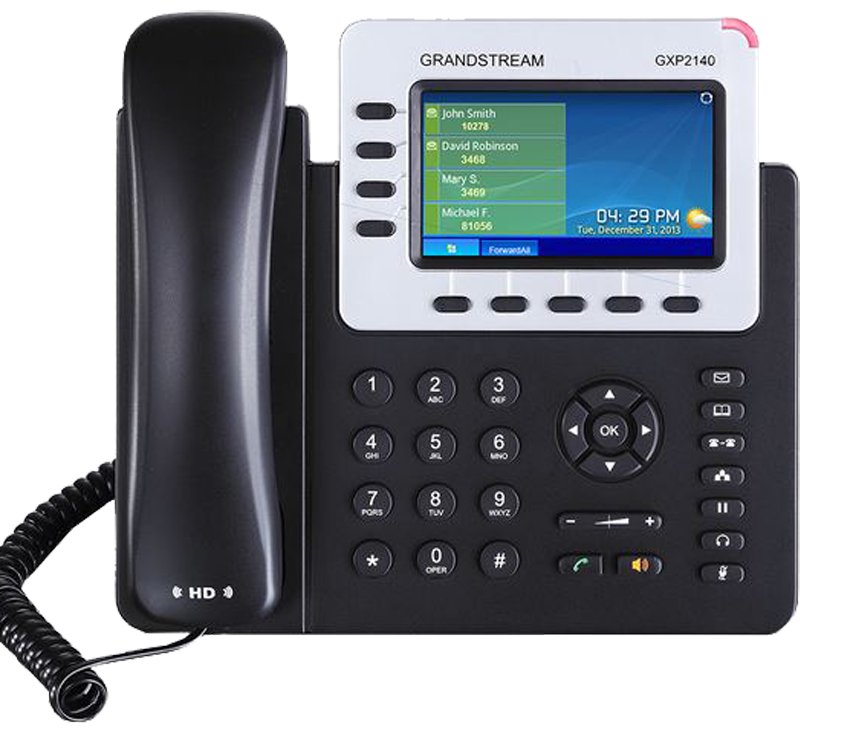
Looking Ahead: The Future of Business Communication Technology
Looking ahead, the future of business communication is set to be more intelligent, integrated, and secure than ever before. Artificial intelligence and automation will take on larger roles, enabling features like smart call routing, real-time language translation, and predictive customer insights. These tools will allow organizations to respond faster, personalize every interaction, and streamline workflows, making daily communication more natural and effective.
Cloud-based platforms will remain at the core of this evolution, offering scalable, flexible, and secure infrastructure that adapts swiftly to changing demands. Companies will effortlessly add or remove features and users, supporting growth and seasonal needs without costly hardware updates. As security measures advance—through end-to-end encryption, biometric authentication, and advanced access controls—businesses will better protect sensitive conversations and meet stricter regulatory standards, fostering trust in digital channels.
Auto-attendants and call routing will become more sophisticated, delivering personalized greetings and recognizing caller preferences to ensure inquiries reach the right person immediately. These improvements will reduce wait times, boost customer satisfaction, and reinforce a professional brand image. Embedded video conferencing will also become a standard feature, enabling seamless face-to-face interactions that foster stronger relationships across dispersed teams, especially in a world leaning toward remote and hybrid work models.
Despite the exciting prospects, challenges remain. Integrating new technologies with legacy systems requires careful planning, and maintaining security amidst evolving cyber threats demands ongoing attention. Organizations that proactively invest in adaptable, secure, and user-friendly solutions will be best positioned to thrive in this rapidly changing landscape.
As business communication continues to evolve, embracing these innovations offers the chance to build more resilient, responsive, and personalized engagement strategies. Companies that stay ahead by leveraging the latest tools will not only enhance operational efficiency but also strengthen their competitive edge, ensuring they remain connected and relevant in an increasingly digital world.