In a world where traditional locks no longer suffice, modern home security has evolved into an interconnected, intelligent system that offers unprecedented control and peace of mind. From remote CCTV surveillance to smart locks and automated responses, these solutions actively deter threats and enable rapid intervention—no matter where you are. But as technology advances toward automation and AI-driven insights, questions about cybersecurity and privacy become unavoidable. Can these high-tech safeguards truly protect families from contemporary dangers? This comprehensive overview reveals how integrated, remote-controlled systems redefine safety, transforming passive defenses into dynamic safety networks. Yet, the ever-growing reliance on connected devices also introduces vulnerabilities, prompting a need for vigilant management. As the future promises smarter, more intuitive security ecosystems, are we prepared to balance convenience with the risks inherent in an increasingly digital home environment? The answer lies in understanding and harnessing these innovations to keep loved ones safe amidst emerging threats.
Table of Contents

Transforming Home Security: The Rise of Remote-Controlled Smart Systems
Home security has come a long way from the days when a simple lock and a loud alarm were enough to keep intruders at bay. Today’s homes face a landscape of increasingly complex threats, from sophisticated break-ins to environmental hazards, making traditional measures less effective on their own. Advances in technology have transformed home security into a connected, smart ecosystem that can be monitored and controlled remotely. This evolution offers families a new level of control and reassurance, allowing them to oversee their property in real time, no matter where they are.
The shift toward integrated systems has been driven by the need for faster responses and smarter deterrents. Early security setups relied mainly on physical barriers and basic alarms, which intruders could sometimes bypass or ignore. Now, modern solutions combine sensors, cameras, and automation into a comprehensive safety network. When suspicious activity is detected—such as an unexpected door opening or movement in the yard—these systems can alert homeowners immediately, often providing live footage to assess the situation.
Remote-controlled security solutions have become a game-changer. With just a smartphone or tablet, families can lock or unlock doors, view live video feeds, and activate alarms from anywhere. This instant access not only deters potential intruders but also enables quick action during emergencies, whether it’s a fire, medical incident, or break-in. It turns passive security measures into active safety tools, giving homeowners a sense of control and peace of mind, even when they’re miles away.
As threats grow more unpredictable, the importance of these connected systems becomes clearer. Traditional security methods often fall short when facing natural disasters, accidental emergencies, or targeted intrusions. Integrated, remote-controlled solutions respond swiftly and flexibly, allowing families to act immediately—whether that’s calling authorities, locking down doors, or activating additional alarms. This proactive approach makes a real difference in protecting loved ones and valuables in today’s uncertain world.
Looking ahead, the future of home security is set to become even smarter and more seamless. Innovations like artificial intelligence and machine learning will enable systems to analyze video feeds, recognize faces, and predict threats before they happen. Automation will learn household routines, adjusting settings automatically to enhance safety without adding complexity. As these technologies evolve, home security will become more intuitive, reliable, and unobtrusive—integrating seamlessly into everyday life and offering families the confidence that their homes are protected against whatever challenges lie ahead.
Building Blocks of Modern Home Security Technology
Modern home security technology revolves around a few core components that work together to create a reliable safety network. Sensors and detectors form the foundation, including door and window sensors, motion detectors, and glassbreak sensors. These devices are designed to quickly identify unauthorized entry or suspicious activity, triggering alerts or alarms that notify homeowners or security providers immediately. Proper placement and regular maintenance of these sensors are essential to ensure comprehensive coverage of vulnerable points and avoid blind spots.
Surveillance cameras are a crucial element of contemporary security systems. Today’s cameras offer remote viewing capabilities, allowing homeowners to monitor their property live from anywhere via smartphone, tablet, or computer. Features like high-definition video, night vision, and motion detection enhance the ability to keep an eye on your home around the clock. These cameras not only act as a deterrent to intruders but also provide valuable evidence in case of an incident, making them an indispensable part of modern safety strategies.
Additional analysis is available in Harp Parker‘s article Discover How Smart Home Security Transforms Safety Today published on The Big Toy Box.
Smart locks and keyless entry systems are transforming access management. These electronic locks can be operated remotely through apps or biometric methods like fingerprint scanners. They provide a secure, convenient way to grant temporary access to family members, visitors, or service personnel without the need for physical keys. Many smart locks also maintain detailed logs of entries and exits, giving homeowners an extra layer of oversight and control over who enters their home and when.
All these components are integrated into a unified system that communicates seamlessly through cloud connectivity. This integration allows for centralized control via a single app or platform, making it easier to customize security settings, receive alerts, and monitor activities remotely. Ease of use is a priority, ensuring that even those less familiar with digital technology can confidently operate their security systems and respond swiftly to any alerts.
Understanding the fundamental terms behind these technologies helps clarify how they work together. Remote control enables operating devices from a distance, usually through a smartphone app. CCTV, or closed-circuit television, involves cameras that stream or record footage for live viewing or evidence collection. Cloud connectivity provides remote access to footage and alerts, keeping homeowners informed regardless of their location. As wireless connectivity and internet infrastructure advance, these systems become more flexible, easier to install, and capable of adapting to evolving security needs. Emerging innovations like AI-powered analytics and IoT integration promise to make home security even smarter, more responsive, and more intuitive in the years ahead.
Protect Your Markham Property with Trusted Canadian Security Solutions
F.I.S.T Security is a proud Canadian owned and operated business serving the Markham Ontario community. We specialize in comprehensive security services including intruder detection, card access systems, alarm monitoring, remote video monitoring, lighting, and environmental control. Our expertise extends to CCTV installation, ensuring your property remains secure around the clock. At FIST Security, we take pride in our reputation and always go the extra mile to meet our clients’ needs. Whether you require advanced surveillance or access control, our team is dedicated to providing reliable and tailored security solutions. Contact us today at [email protected] or call 416.755.4233 to learn more about how we can safeguard your Markham property.
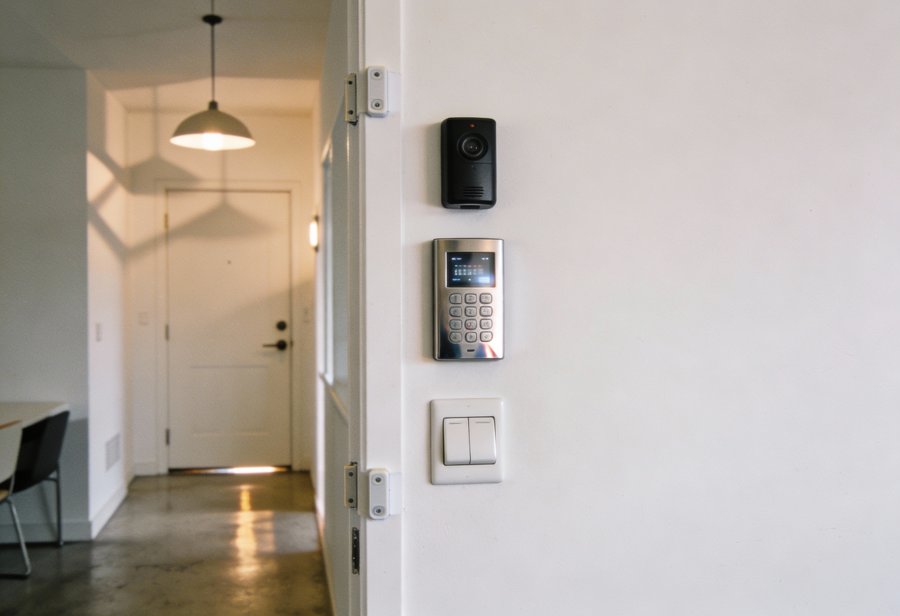
Revolutionizing Family Safety with Integrated Remote Control Solutions
Integrated remote-controlled security systems fundamentally reshape how families approach safety in today’s unpredictable environment. With instant access to live feeds and device controls from anywhere, homeowners gain a level of oversight that wasn’t possible before. This constant connection acts as a powerful deterrent—visible cameras and real-time alerts make homes less attractive targets for intruders, who are less likely to risk targeting a property that’s actively monitored and easily accessible to the owner.
Beyond discouraging threats, these systems drastically improve response times during emergencies. When an alarm sounds or suspicious activity is detected, immediate notifications enable families to act swiftly—whether that’s calling the police, locking doors remotely, or activating additional alarms. This ability to respond instantly transforms passive security measures into an active safety network, especially valuable when residents are away or unable to react physically.
Remote monitoring also streamlines everyday routines, adding a layer of convenience and reassurance. Imagine arriving home late and unlocking the door remotely, or turning on outdoor lights before you pull into the driveway. These small but impactful actions can be automated based on schedules or sensor triggers, making security feel more intuitive and less burdensome. When integrated with smart home devices, this creates a seamless environment where safety and convenience go hand in hand.
The article Experience the Future of Home Security with Smart, Integrated Solutions by Lawson Zimmerman on Pentego provides useful background.
CCTV cameras serve multiple roles—they act as deterrents and provide crucial evidence if an incident occurs. Their visible presence discourages would-be intruders, while recorded footage speeds up investigations and helps identify suspects. Monitoring your property from anywhere ensures you’re always in control, whether during vacations, busy workdays, or errands, reinforcing a sense of confidence and security.
Customizable alarm settings enhance this protective layer further. Families can define specific zones, adjust sensitivity levels, and set tailored alerts to reduce false alarms while ensuring genuine threats are addressed promptly. Smart access controls, like keyless entry and biometric locks, allow for flexible, secure management of who can enter the home, with detailed logs that provide additional oversight.
However, these advanced systems aren’t without challenges. Technical glitches, such as internet outages or hacking risks, can temporarily compromise security. User errors, like weak passwords or improper device setup, also pose vulnerabilities. Maintaining regular updates, strong cybersecurity practices, and professional installation are key to ensuring that these solutions deliver on their promise of safety.
When properly managed, integrated remote-controlled security solutions become a reliable backbone for modern home safety. They empower families to stay connected, respond rapidly to threats, and enjoy peace of mind—no matter where life takes them. In a world full of uncertainties, these systems offer a proactive, adaptable approach to protecting what matters most.
Real-World Benefits of Smart Security: Protecting and Empowering Your Home
Modern security solutions extend far beyond high-tech gadgets—they have a tangible, everyday impact on family safety. With remote monitoring, homeowners can keep a constant eye on their property, significantly reducing the chances of unnoticed intrusions or emergencies. When suspicious activity is detected, instant alerts prompt quick decisions, such as contacting authorities or activating additional security measures. This rapid response capability transforms passive security into an active safeguard, often preventing situations from escalating and providing genuine peace of mind.
Having live footage at your fingertips offers reassurance whether you’re at work, on vacation, or just out running errands. Real-time monitoring allows you to verify what’s happening outside or inside your home, helping you stay in control without being physically present. Visible cameras and quick access to recorded footage also serve as powerful deterrents—intruders are less likely to target a property where they know they’re being watched. If an incident does occur, recorded evidence accelerates investigations and increases the chances of identifying suspects.
Remote-controlled systems also simplify daily routines, adding convenience alongside security. You can lock or unlock doors remotely if you forget before leaving, or turn on outdoor lights to make your home less inviting to potential intruders. These small, scheduled actions or sensor-triggered adjustments help create a safer environment without complicating your day. When integrated with other smart devices—like thermostats or lighting—your security setup becomes a seamless part of your household ecosystem, blending safety with everyday comfort.
This theme is addressed on Spatial Rifts by Edwin Simmons in the article Revolutionizing Home Security with Smart Connected Solutions.
CCTV cameras serve multiple roles—they act as effective deterrents and invaluable evidence sources. Their visible presence discourages potential intruders, while recordings support swift investigations should an incident occur. Monitoring your property from anywhere ensures you’re always connected, whether during vacations, busy workdays, or errands. This constant oversight not only reinforces a sense of control but also fosters confidence that your home remains protected, no matter where life takes you.
While these advanced systems offer many benefits, they are not without challenges. Technical issues like internet outages or hacking risks can temporarily compromise security, and user errors—such as weak passwords or improper setup—may introduce vulnerabilities. Regular updates, strong cybersecurity practices, and professional installation help mitigate these risks, ensuring your system performs reliably. When maintained properly, integrated remote-controlled solutions become a dependable backbone for modern home safety, empowering families to respond swiftly and confidently to any threat.
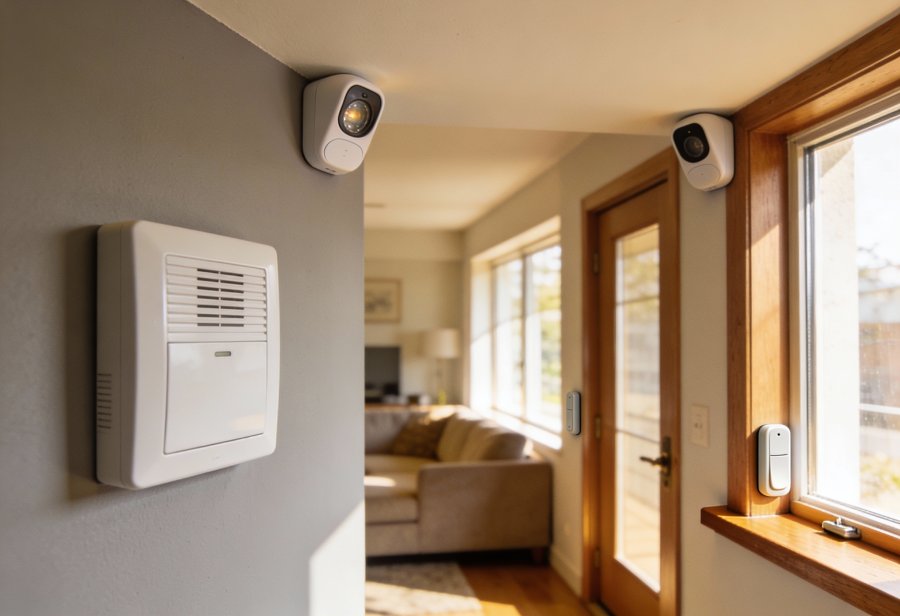
Looking Ahead: The Future of Smarter, More Responsive Home Security
As we look to the future, home security is set to become even smarter and more seamlessly integrated into daily life. Advances in artificial intelligence and machine learning will allow systems to analyze video feeds more accurately, recognize faces, and predict potential threats before they materialize. These innovations will make homes more responsive, adjusting settings automatically based on household routines or environmental cues, reducing the need for manual input and enhancing overall safety.
Devices will evolve into interconnected ecosystems that learn and adapt to the habits of residents. Imagine a security system that recognizes when your family typically leaves in the morning, then automatically locks doors, turns on lights, or activates alarms without any prompting. Such automation will respond instantly to emerging risks—whether a break-in, fire, or environmental hazard—delivering proactive protection while simplifying user interaction.
As these technologies become more intuitive, managing home security will feel natural and effortless. Voice assistants and smart home platforms will enable control through simple commands, making security management accessible for everyone. Clearer interfaces and seamless integration will encourage broader adoption, giving more families confidence that their homes are protected against the unpredictable threats of today’s world.
However, the growth of connected devices introduces new challenges, particularly around cybersecurity and data privacy. Protecting these systems from hacking and breaches will be critical, requiring robust encryption, regular software updates, and vigilant password management. Balancing the benefits of advanced features with respect for personal privacy will be an ongoing priority for developers and users alike.
Ultimately, the evolution of home security technology aims to create safer, smarter living environments where safety and convenience go hand in hand. These systems will adapt to our lives, offering peace of mind through reliable, proactive protection that responds swiftly to any threat. Families will enjoy the confidence that comes with knowing their homes can anticipate and react to risks, no matter how unpredictable or complex they may be.
The ongoing innovation promises a future where security is not just a set of gadgets but an integrated, intelligent part of everyday life. As these solutions become more accessible and user-friendly, they will empower families to stay connected and in control—transforming home safety from reactive to truly proactive. In this landscape of continuous advancement, peace of mind becomes an achievable reality, no matter what challenges lie ahead.