In the rapidly evolving landscape of business communication, the question arises: is reliable connectivity still the backbone of success, or is the transformation brought by modern phone services reshaping how companies compete? Once dominated by landlines, today’s organizations leverage VoIP and cloud-based systems that offer cost savings, scalability, and a suite of advanced features—from auto-attendants to mobile integration—that elevate professionalism and efficiency. These tools enable seamless, remote collaboration and ensure critical interactions aren’t disrupted during crises. As technology advances with AI, 5G, and integrated platforms, the future promises smarter, more personalized experiences that deepen customer trust and operational agility. But with growing security concerns, how will businesses safeguard sensitive information while embracing these innovations? This ongoing evolution challenges companies to rethink communication not just as a tool, but as a strategic asset—fostering resilience, growth, and a competitive edge in a digital world.
Quick Navigation
Revolutionize Your Business Communication with FiberConX’s Phone Service for Business
Looking for reliable phone service for business in Canada? FiberConX Communications specializes in advanced VoIP and IP business phone solutions, tailored to meet your company’s needs. Our services include feature-rich voicemail, interactive IVR systems, customizable Ring Groups, and voicemail-to-mail forwarding, ensuring seamless and professional communication. Whether you’re a growing startup or an established enterprise, FiberConX provides scalable and secure solutions to enhance your connectivity. Reach out to our team at [email protected] or call 1.416.945.9210 to learn more about how our phone service for business can transform your communications infrastructure.
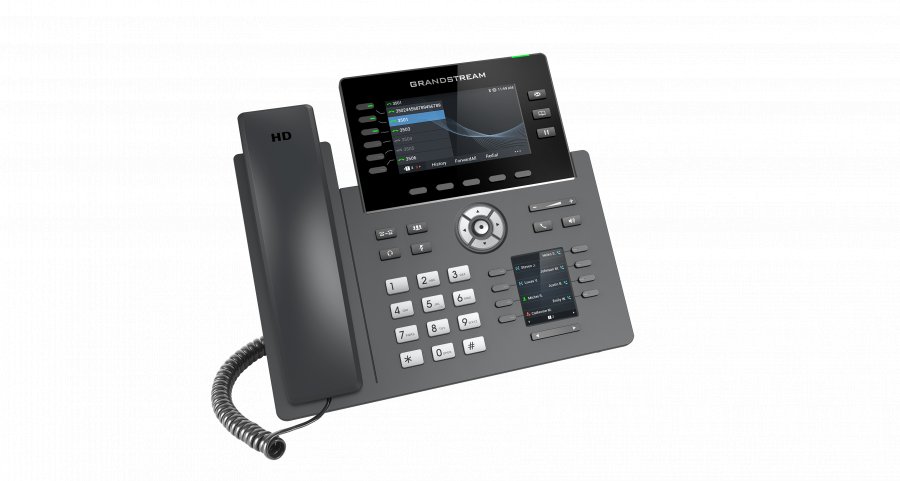
Discover the Power of Modern Business Phone Solutions
Effective communication is the foundation of any successful business. When teams and customers can connect clearly and without delays, it builds trust, boosts efficiency, and helps companies stand out in a crowded marketplace. For years, landline phones were the go-to solution for business calls—reliable, straightforward, and familiar. But as technology has advanced, so have the tools organizations rely on to stay connected and competitive.
Today’s digital landscape has shifted the focus toward internet-based systems like Voice over Internet Protocol (VoIP). These solutions use the internet to transmit voice, cutting costs significantly while offering a host of new features. From voicemail-to-email and call forwarding to video conferencing and mobile integration, modern business phone services support flexible, anywhere-anytime communication. This is especially valuable for remote teams and growing businesses that need to scale quickly without sacrificing quality.
Beyond cost savings and flexibility, modern phone systems elevate a company’s professionalism. Features like auto-attendants, which greet and direct callers automatically, and intelligent call routing help create a seamless experience for customers. By ensuring inquiries reach the right person swiftly, these tools reduce wait times and enhance customer satisfaction. They also give smaller organizations a bigger, more polished presence—an edge in today’s competitive environment.
The shift to cloud-based platforms makes managing these systems easier than ever. Business administrators can control features, add lines, or scale operations through simple online dashboards—no need for complex hardware setups. This ease of management supports quick deployment, upgrades, and expansion. Plus, mobility is built-in: employees can handle calls from smartphones or laptops, whether they’re in the office, working remotely, or on the go. This flexibility keeps teams connected and responsive no matter where they are.
Reliable, secure communication isn’t just a convenience anymore—it’s a strategic asset. Features like call encryption, recording, and access controls help protect sensitive data and ensure compliance with industry regulations. As communication tools evolve, they support stronger customer relationships and safeguard a company’s reputation. In essence, modern business phone solutions do more than connect calls—they build trust, professionalism, and resilience in an increasingly digital world.
Tracing the Evolution from Landlines to Cloud-Based Communication
The way businesses communicate has undergone a remarkable transformation over the decades. For a long time, landline phones stood as the primary tool for voice communication, offering a reliable and straightforward way to connect. These analog systems depended on physical wires, which worked well enough but limited flexibility and the ability to add advanced features. As technology advanced, digital systems emerged, bringing new capabilities and making communication more cost-effective and scalable.
The major turning point came with the introduction of Voice over Internet Protocol (VoIP). This technology revolutionized business communication by enabling voice calls to travel over the internet instead of traditional phone lines. VoIP not only reduced costs significantly but also unlocked a suite of new features, including video conferencing, instant messaging, and conference calls. This shift made it easier for businesses to expand their communication infrastructure without heavy investments in hardware, supporting remote work and growth.
Cloud-based platforms further accelerated this evolution. These systems host communication services online, allowing businesses to manage their phone setups from anywhere using simple dashboards. Adding new lines, updating features, or scaling operations became quick and hassle-free, eliminating the need for complex hardware installations. This agility allowed companies to adapt rapidly to changing market demands and expand globally with ease.
For a related discussion, review Ophie Nelson‘s article Transforming Business Success Through Modern Communication Systems on Cay Klaire.
Key industry players pushed these innovations forward. Companies like Cisco and Avaya pioneered early VoIP systems, setting standards for reliability and feature richness. Meanwhile, tech giants such as Microsoft and Zoom transformed remote collaboration with their video conferencing solutions. Innovators like Jeff Pulver helped popularize internet telephony, making voice-over-IP technology accessible and practical for organizations of all sizes, fueling widespread adoption.
Today, the communication landscape continues to evolve with features like auto-attendants, sophisticated call routing, and seamless mobile integration becoming commonplace. These advances have lowered costs, improved call quality, and enhanced professionalism—allowing even small businesses to project a polished, capable image. The transition from traditional landlines to internet-based platforms reflects a broader shift toward flexible, integrated, and scalable communication solutions that meet the demands of a fast-paced, interconnected world.
Understanding this history highlights how technology has reshaped the core of business communication. From simple voice calls to comprehensive, feature-rich platforms, each milestone has built a foundation for the modern systems we rely on today. This ongoing evolution underscores the importance of staying adaptable and embracing new tools that support growth, security, and competitive advantage in an increasingly digital marketplace.

Unveiling the Core Technologies Driving Today’s Business Phone Systems
Modern business phone systems are built around core technologies and features that make communication more flexible and efficient. At the heart of these systems is Voice over Internet Protocol (VoIP), which transforms voice signals into digital data that can travel smoothly over the internet. This shift from traditional analog lines not only cuts costs but also unlocks a suite of advanced functionalities, such as high-quality video calls, instant messaging, and seamless integration with other digital tools. These capabilities enable businesses to communicate across multiple channels, improving both internal collaboration and customer engagement.
A key feature that defines modern systems is the auto-attendant, which acts as a virtual receptionist. It greets callers with a professional, recorded message and guides them to the appropriate department or individual, reducing wait times and creating a polished first impression. Call routing further enhances this process by directing incoming calls based on specific rules—like caller needs, time of day, or agent availability—ensuring inquiries reach the right person swiftly. Together, these features streamline interactions, making them more efficient and user-friendly.
Most contemporary platforms are cloud-based, meaning the entire infrastructure is managed online. This architecture allows businesses to control their phone systems remotely through intuitive dashboards. Adding new lines or updating features becomes a simple task, often a matter of clicks, without the need for physical hardware or lengthy installations. Cloud systems also support mobility, enabling employees to handle calls from smartphones or laptops regardless of location, which is crucial in today’s remote and hybrid work environments.
Understanding essential terminology like VoIP, auto-attendants, call routing, and cloud hosting is vital. These aren’t just industry buzzwords—they’re the foundation of scalable, modern communication. They empower organizations to respond faster, project professionalism, and adapt quickly to changing business needs. Security measures, such as call encryption and access controls, further protect sensitive information and ensure compliance with industry standards, reinforcing trust and safeguarding reputation.
This perspective is expanded in Jessamine Robinson‘s article Transforming Business Communication for the Digital Age on Madison County Friends.
While these features offer many benefits, they also require thoughtful implementation. Reliable internet connections, staff training, and choosing providers with strong security practices are critical steps. When deployed effectively, these systems do more than facilitate calls—they become strategic assets that support growth, enhance customer experiences, and build resilience in an increasingly digital business landscape.
Real-World Impact: Transforming Operations and Customer Relationships
Modern business phone services are transforming daily operations in ways that directly impact customer satisfaction and internal efficiency. Companies now rely on VoIP systems to handle high call volumes, especially during peak times, ensuring faster response times and reducing customer wait times. Features like auto-attendants and call routing automatically direct inquiries to the right department or team member, making interactions smoother and more professional. This not only improves the customer experience but also enhances a company’s reputation for reliability and responsiveness.
Remote teams benefit immensely from these systems. Cloud-based platforms support mobility by allowing employees to manage calls from smartphones, tablets, or laptops, whether they are in the office, working from home, or on the move. This flexibility keeps teams connected and enables quick responses, regardless of location. As a result, organizations can maintain high levels of productivity and service continuity without the constraints of physical office spaces.
Scalability is another key advantage. As businesses grow, adding new lines, features, or users becomes seamless through simple online dashboards. This ease of expansion minimizes downtime and avoids costly hardware upgrades. During emergencies or technical disruptions, call rerouting ensures communication stays intact by redirecting calls to backup systems or mobile devices, maintaining operational continuity and customer trust.
Crazy Bard offers a relevant article by Madeline Anderson titled Transforming Business Communication for a Digital Future.
Customer interactions are elevated through features like personalized greetings and intelligent call routing, which ensure inquiries are addressed promptly and accurately. These tools foster a sense of professionalism that smaller firms often struggle to project. Combined with mobile integration, staff can deliver consistent, high-quality service from anywhere, enhancing customer satisfaction and loyalty.
Security measures are integral to these modern systems. Encryption, call recording, and access controls protect sensitive information and support compliance with industry regulations. This focus on security reassures clients and partners that their data is safe, reinforcing trust and safeguarding reputation in an increasingly digital marketplace.
Furthermore, integration with other digital tools allows seamless workflows. Businesses can connect their communication platforms with customer relationship management (CRM) systems or collaboration tools, streamlining processes and providing a unified experience. This interconnectedness accelerates decision-making and improves overall operational agility.
In practice, adopting these advanced phone services translates into tangible benefits: stronger customer relationships, more responsive internal communication, and scalable infrastructure that adapts to future needs. Companies that leverage these features position themselves to respond swiftly to market changes, outpace competitors, and build resilient, professional brands. With communication becoming a strategic asset, modern phone systems are no longer just a convenience—they are a vital driver of growth and success.
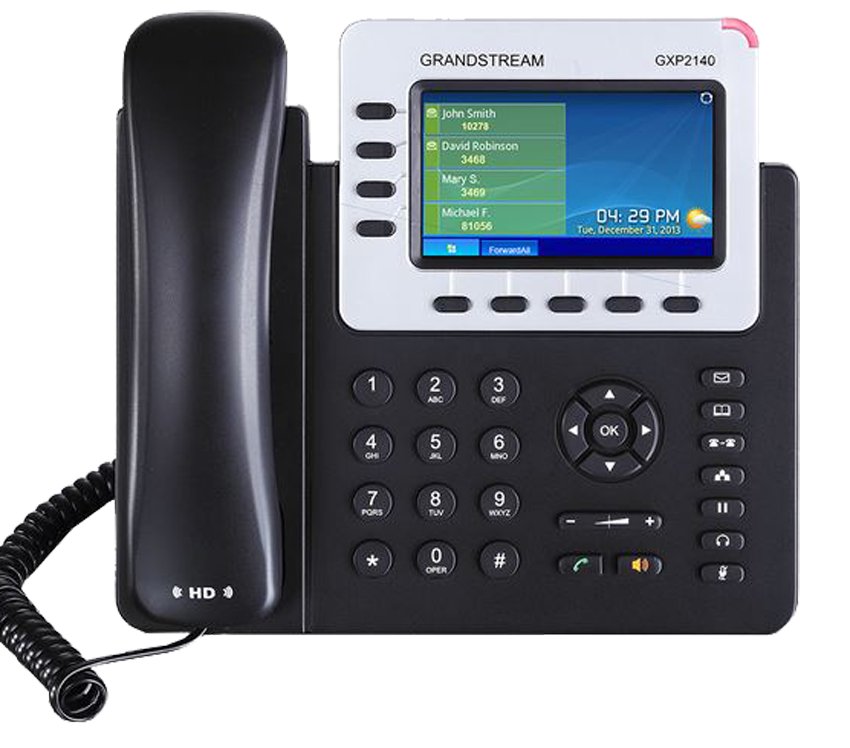
Looking Ahead: Innovations Shaping the Future of Business Communication
As we look ahead, the future of business communication promises to be increasingly dynamic and integrated. Innovations like artificial intelligence are starting to automate routine tasks, such as call routing and answering FAQs, freeing up staff to focus on more complex, customer-centric interactions. Meanwhile, the rollout of 5G networks will deliver faster, more reliable connections, opening the door to high-definition video calls and real-time data sharing that were once out of reach. These advancements will make communication more seamless, responsive, and adaptive to the needs of modern businesses.
The trend toward unifying multiple communication channels into single platforms will only grow stronger. Today’s systems are merging voice, video, messaging, and collaboration tools into cohesive environments, reducing the complexity of switching between apps and enabling quicker responses. This convergence helps teams operate more efficiently, delivering a more consistent and personalized experience for customers and colleagues alike. Companies that adopt these integrated solutions early on will gain a competitive edge by streamlining workflows and enhancing overall responsiveness.
Security will remain a top priority as technology advances. Future developments are expected to focus heavily on strengthening encryption, deploying advanced authentication methods, and ensuring comprehensive data protection. These measures will be vital for safeguarding sensitive information and maintaining compliance amid increasingly sophisticated cyber threats. Organizations that prioritize security in their communication platforms will build greater trust with clients and partners, reinforcing their reputation in a digital landscape where trust is paramount.
Beyond speed and security, the future of business communication will revolve around creating smarter, more personalized experiences. Systems will become better at anticipating needs, customizing interactions, and automating routine processes while preserving the human touch. This shift toward intelligent platforms will help businesses foster stronger relationships, improve operational resilience, and adapt swiftly to market shifts. Those who embrace these innovations early will position themselves not just for growth but for leadership in an ever-evolving digital environment.
Remaining adaptable is key. As new tools and technologies emerge, organizations that proactively integrate them into their operations will thrive. The landscape is changing fast, and staying ahead means embracing continuous innovation. Modern phone systems are no longer just about making calls—they’re about building trust, driving efficiency, and supporting long-term success. By harnessing these future trends today, businesses can ensure they remain resilient, competitive, and ready for whatever comes next.